

Read three Russian war bloggers this week and you’ll learn more about the state of this war than a month of Pentagon briefings. Not because they know more—though some of them do—but because they’ve stopped pretending.
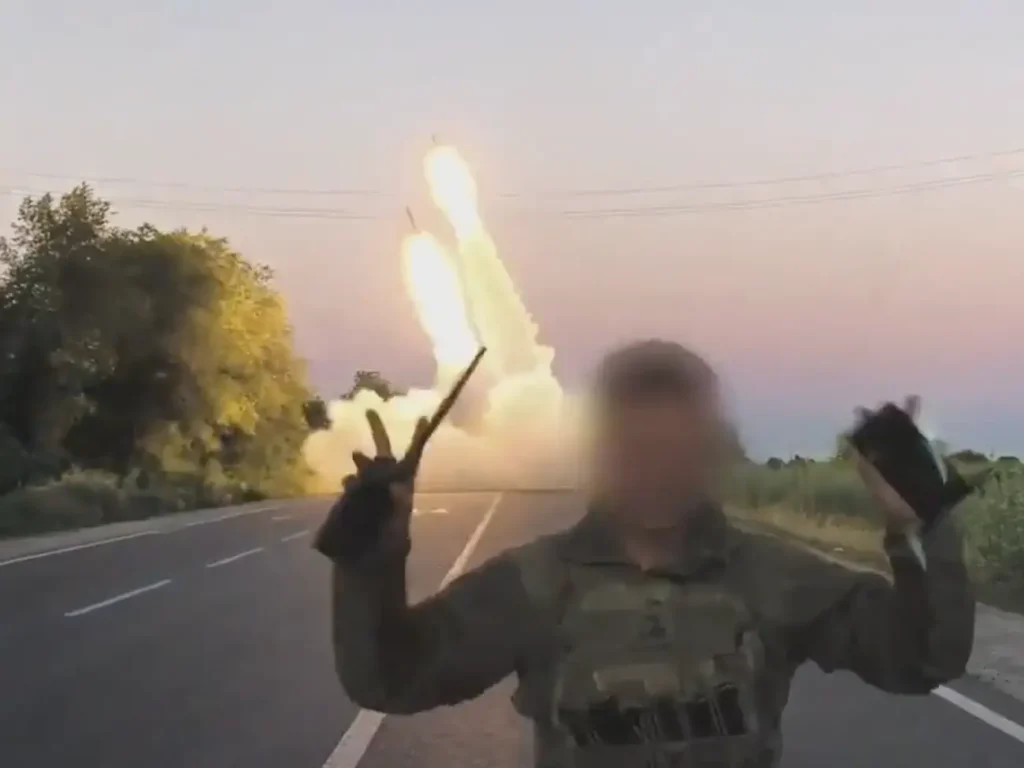
The HIMARS system has done something interesting to the Russian information space. It’s cracked the facade.
Let me walk you through what these men are saying, because their words tell a story that Moscow would prefer you not hear.
The first one, writing from somewhere near the fighting, describes missile strikes in Kherson at five in the morning and again at ten. The Novokakhovska hydro plant hit the day before. Shakhtersk burning, detonating, worse than last time. He ticks off the damage like a clerk taking inventory: over ten large ammunition depots in the past week, several oil depots, around ten command points, personnel locations in the near and far rear, air defense positions, artillery positions. Large losses in personnel and equipment.
Then he asks the question that’s clearly eating at him: When will the Russian armed forces start fighting with full force? When will they hit the transport system that brings all these HIMARS and 777s and Caesars safely to the combat zone?
He’s not gloating, he says. He’s not informing the enemy—they already know. He’s asking, publicly, why his own military isn’t doing what militaries are supposed to do.
The second one watched a HIMARS strike at Chernobayevka almost before his eyes. He’s been under shelling many times, he says, but this was different. Six rockets landed almost in the same spot. A pinpoint. Later that day he saw a Uragan MLRS strike scatter over a large area, unexploded missiles stuck in fields. After the Americans, he says, this doesn’t look serious.
That’s the sound of awe, and it’s the worst possible sound for an army trying to convince itself it’s winning.
He sees the panic in social media. He knows this is just the beginning. They’ll hit Kherson, other border cities, Belgorod, all the checkpoints and facilities they’ve spent four months mapping. He tries to sound confident about response measures—AWACS, maybe they’ll detect something—but then he catches himself. Remember the stories about Russian electronic warfare, he says? The ones where we disabled the USS Donald Cook and the Americans shat their pants? Reality turned out different.
He knows. They all know.
The third one, Dmitriyev, gets to the real problem. People keep suggesting solutions: disperse ammunition, avoid basing vehicles together, decentralize everything. But you see the problem, he says. You can decentralize, but that would be a completely different army. Not the Russian-Soviet army. Not the Russian state.
Decentralization means transferring power downward, to the forests and stockpiles where the actual fighting happens. But power in Russia has been carefully focused in one location for hundreds of years. That’s how authority preserves itself. Decentralization is worse than military losses.
Read that again. A Russian commentator, with over a hundred thousand followers, saying that the structure of the state itself prevents adapting to the enemy. That the system can’t change because change would threaten those who run it. That they’ll keep taking losses because taking losses is preferable to losing control.
The milbloggers are getting too honest. ISW reports that Rybar, another influential voice, says the Ministry of Defense is annoyed with these Slavic nattering nabobs of negativism and will probably start reining them in. The bloggers have become a problem. They’re saying out loud what everyone in the ranks already knows.
But here’s the thing about reining people in once a war starts: it’s hard. The genie is out. These men have audiences in the tens and hundreds of thousands. They’ve built credibility by telling the truth when official channels were lying. Shutting them down doesn’t make the HIMARS strikes stop. It just makes the information space quieter while the ammunition depots keep burning.
Dmitri, the Estonian who runs Wartranslated, puts this material out so English speakers can see what Russians are actually saying to each other. It’s worth reading. Not for the operational details—those are fleeting. But for the tone. The frustration. The dawning recognition that the other side has a tool they can’t answer, and the structure they’ve built can’t adapt fast enough to survive.
The Americans made a thing that drops six rockets into the same pocket. The Russians made a system that can’t decentralize without breaking.
One of these is a military problem. The other is an existential one.
