

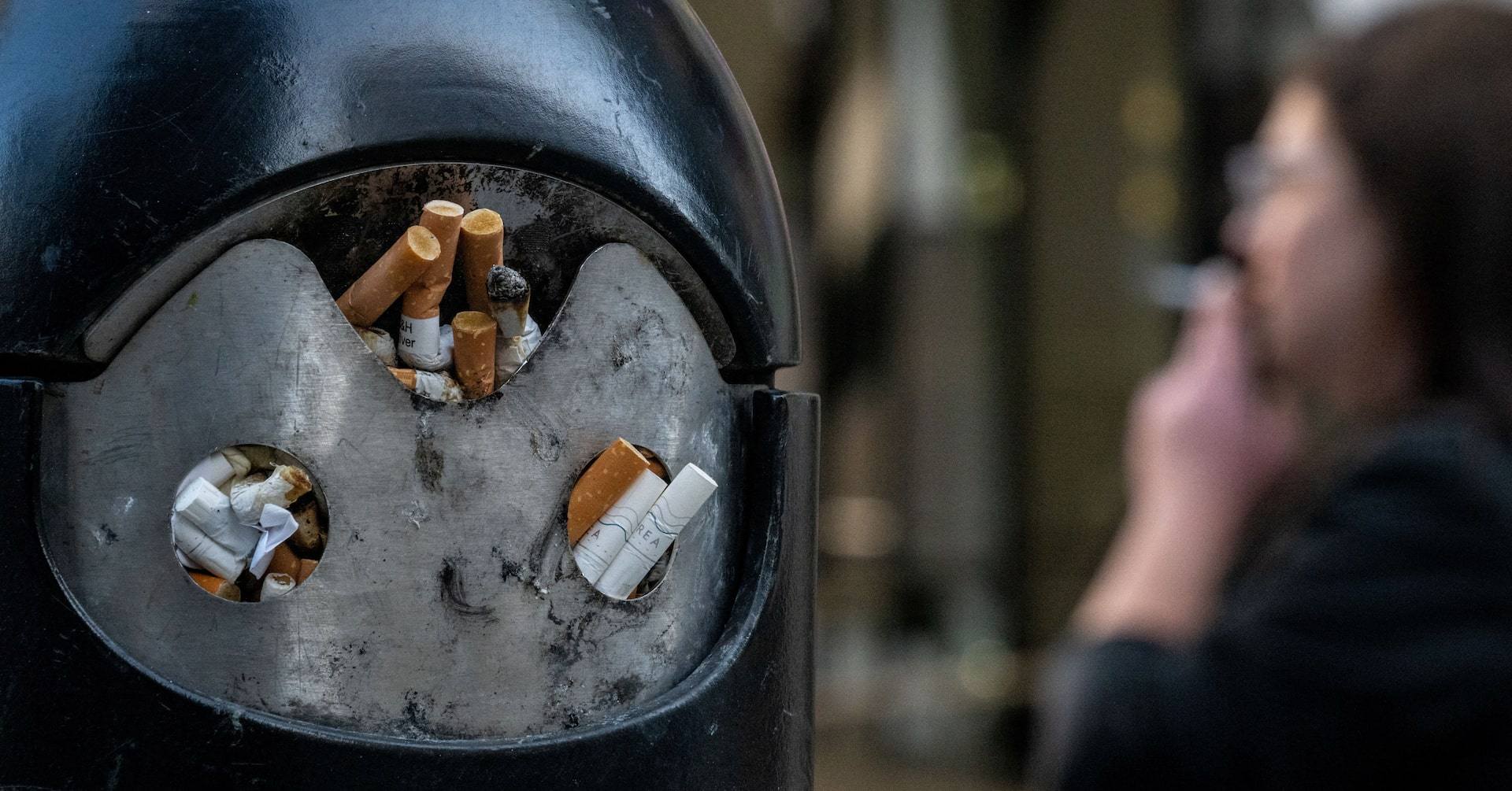
In a landmark decision, lawmakers in the United Kingdom have approved stringent new measures aimed at combating smoking among future generations. Children in Britain who are 17 years old or younger, alongside anyone born after January 1, 2009, will never be legally permitted to buy cigarettes.
The Tobacco and Vapes Bill is set to introduce a rolling age ban, raising the legal age for purchasing tobacco products by one year, every year. This means that today’s minors will face a lifetime prohibition on cigarette sales.
Moreover, the legislation, which awaits royal assent next week, imposes stricter regulations on vaping products. It bans the sale of vaping and nicotine items to anyone under 18, and significantly restricts advertising, promotional displays, free distribution, and discounting of these products.
The government asserts that these measures are crucial for reducing smoking rates and preventing young people from becoming addicted to nicotine, which is expected to alleviate long-term pressures on the National Health Service (NHS).
Health Secretary Wes Streeting hailed this approval as a historic moment for public health in the UK. “Children in the UK will be part of the first smoke-free generation, protected from a lifetime of addiction and harm,” he stated. “Prevention is better than cure – this reform will save lives, ease pressure on the NHS, and build a healthier Britain.”
Smoking is responsible for approximately 64,000 deaths and 400,000 hospital admissions each year in England, leading to an economic burden of around £3 billion ($4 billion) on the NHS, with wider economic costs surpassing £20 billion.
In addressing the issue of vaping, which has raised concerns about youth usage and nicotine dependency, the government previously banned the sale of single-use vapes. The new legislation will empower ministers to regulate the flavors and packaging of tobacco, vaping, and nicotine products through secondary legislation.
Currently, about 10% of adults in Great Britain, estimated at 5.5 million people, use vapes, with this number remaining relatively stable since 2024, suggesting that the market may be reaching a plateau. Approximately half of those who vape are former smokers, while around 40% continue to smoke in addition to vaping.
