

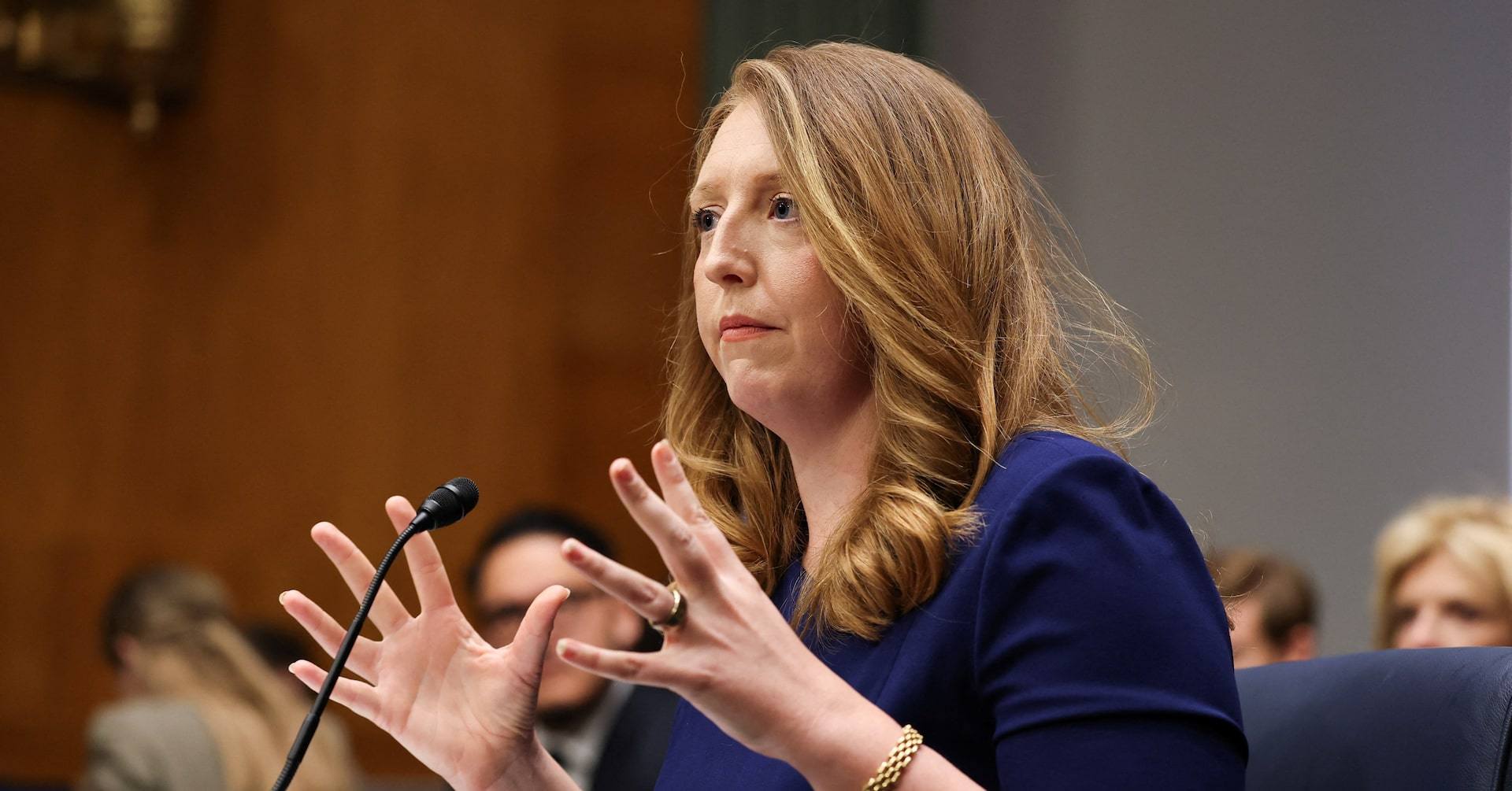
In a significant shake-up, U.S. President Donald Trump has announced the nomination of Dr. Nicole Saphier, a radiologist and Fox News contributor, as the next U.S. Surgeon General. This decision comes following the withdrawal of Dr. Casey Means, marking Trump’s third nominee for the position.
The change has led to tensions between Trump and Republican Senator Bill Cassidy of Louisiana, whom Trump accused of blocking Means’ nomination. Trump referred to Cassidy as “a very disloyal person” on social media.
Dr. Means, who was supported by Health Secretary Robert F. Kennedy Jr., faced challenges in gaining the necessary votes from the Senate Committee on Health, Education, Labor, and Pensions, which Cassidy chairs. A notable point of contention is that Means is not a practicing doctor and is closely associated with the Make America Healthy Again movement, which has been critical of vaccines.
In response to the ongoing situation, Trump’s social media commentary indicated that Means would continue her advocacy work for the movement despite the setback. He highlighted Dr. Saphier’s credentials, praising her contributions to the field of breast cancer treatment and her role in promoting early cancer detection.
Dr. Nicole Saphier, who currently serves as the director of breast imaging at Memorial Sloan Kettering, is recognized for her advocacy in health improvements. She authored a book titled “Make America Healthy Again: How Bad Behavior and Big Government Caused a Trillion Dollar Crisis.” Her active medical license and professional background in radiation oncology stand in contrast to Means’ previous nomination.
The withdrawal of Dr. Means has been described by public health advocates as a positive outcome for public health. Lisa Gilbert, co-president of watchdog organization Public Citizen, stated, “Casey Means is unqualified and unfit to be Surgeon General and the withdrawal of her nomination is a win for the American public.”
Dr. Saphier’s nomination represents a renewed attempt to fill the Surgeon General position following two previous unsuccessful nominations. The confirmation process is expected to once again scrutinize the candidates’ views on public health issues, including vaccination and chronic disease prevention.
