

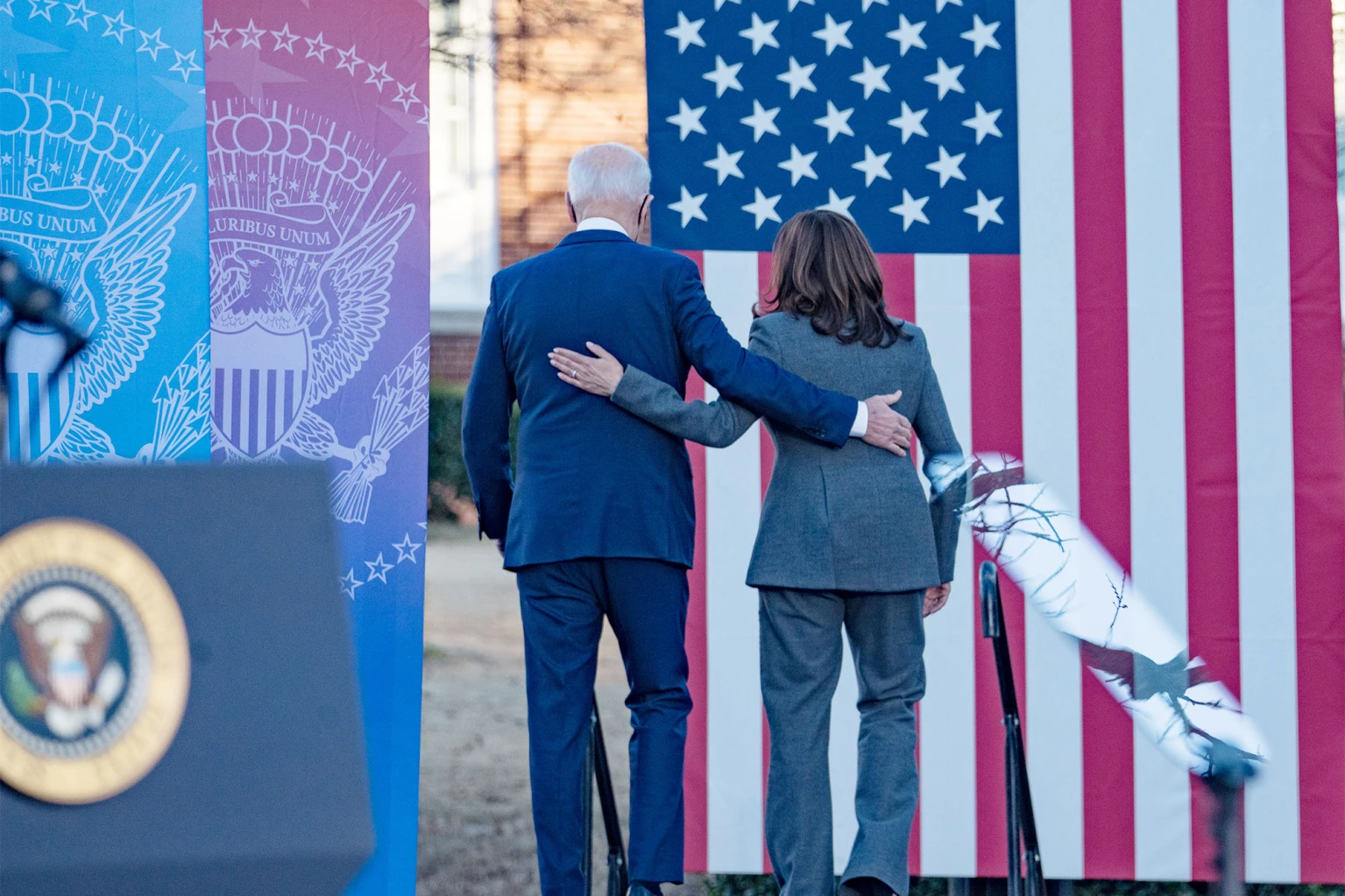
President Joe Biden intensified his push for federal voting rights legislation this week, urging lawmakers to take a clear stance on what he described as a defining civil rights moment in American history.
In remarks aimed at Senate centrists, Biden framed the debate in historical terms, calling on elected officials to consider how they wish to be remembered.
“I ask every elected official in America: How do you want to be remembered?” Biden said. “Do you want to be on the side of Dr. King or George Wallace? Do you want to be on the side of Abraham Lincoln or Jefferson Davis? This is the moment to decide.”
The president’s comments were part of a broader Democratic effort to pass federal voting protections, which the White House argues are necessary to safeguard ballot access and election integrity.
Republican Response
House Republicans quickly criticized the president’s remarks, accusing him of drawing divisive historical comparisons. Some lawmakers circulated a 1987 article in which Biden referenced praise he had once received from former Alabama Governor George Wallace, a prominent segregationist figure during the civil rights era.
Republican lawmakers argued that Biden’s past record complicates his current rhetoric, while Democrats countered that the president has long acknowledged shifts in his political views over decades in public service.
Broader Political Context
The voting rights debate comes during a challenging political period for the administration. Biden has faced declining approval ratings amid persistent inflation, which reached its highest level in nearly four decades at the time, and a surge in COVID-19 cases driven by new variants.
Democrats view voting legislation as a core priority, particularly following recent state-level election law changes across the country. However, the legislation faces significant hurdles in the evenly divided Senate.
The debate highlights deep partisan divisions over election policy, historical legacy, and the direction of federal civil rights protections.
