

Pat Lang lays it out with the cold clarity of someone who’s spent a lifetime studying the spaces between peace and war. The question isn’t whether the US can act. The question is whether we have the nerve to act in the shadows.
Let’s start with the math on the ground, because math doesn’t lie.
Russia has committed perhaps 150,000-200,000 troops to the Ukraine operation—roughly half its active force, half of those conscripts. But only about 70,000 have actually crossed the border. And of those, maybe 30,000 are driving on Kyiv, a city of three million armed and angry people.
Thirty thousand soldiers do not capture a million people. Not when those people are fighting back. Not when supply lines stretch thin and logistics become the real enemy.
The Russian timetable is slipping. Every day that passes without Kyiv in Russian hands is a day the Ukrainians learn to fight harder, smarter, and more brutally. And every delay creates vulnerabilities—long flanks, exposed supply lines, rear areas ripe for guerrilla warfare.
This is where the window opens.
The Legal Architecture of Shadow War
The United States does not need a declaration of war to fight. We haven’t used one since 1941. We don’t need an AUMF—those are for large-scale, acknowledged operations. What we need is a “finding.”
A presidential finding.
Under existing law, the commander-in-chief can authorize covert action against a de facto enemy. The CIA is the executive agent by statute, but the Agency is a civilian organization. They don’t do division-sized warfare. So the finding flows through CIA to where the capability actually lives: the Department of Defense.
And here’s the beautiful, terrible thing about covert action conducted this way: it is not acknowledged. It happens in the shadows. It leaves no fingerprints. It gives the other side an exit ramp from escalation, allowing them to pretend it isn’t happening.
What Covert Action Looks Like
Lang sketches three possibilities, each more ambitious than the last.
First: Supply and Train
We flood Ukraine with what they need most. Air defense systems to contest the sky. Anti-armor weapons to turn every road into a killing zone. Javelins. Stingers. The tools that let a determined defender bleed a mechanized army white.
The training happens outside Ukraine—Poland, maybe, or even here in the continental US. Extract the right people, teach them what they need to know, send them back overland with the equipment. No American boots on the ground. No flag. Just results.
Second: Air Power, Deniably Delivered
We have aircraft scheduled for the boneyard. F-15s. F-16s. A-10s—the tank-killers, the ones that breathe fire and shred armor columns. Under a proper finding, we could form a proprietary company. Air America for the 21st century. Recruit pilots, ground crews, logistics people willing to take the risk for good money.
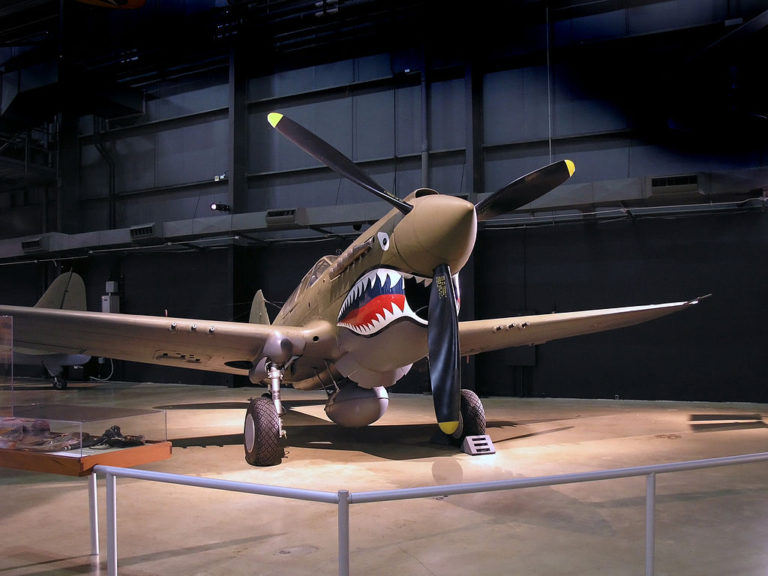
The precedent exists. The American Volunteer Group—the Flying Tigers—fought in China before Pearl Harbor. US government formed them, paid for them, supported them. They weren’t official. They were effective.
The risks would be real. Pilots shot down over Ukraine would be prisoners, not POWs. The company would be deniable until it wasn’t. But the money would be good, and the impact on Russian supply lines and air superiority would be immediate.
Third: The Conditions for Success
None of this works if Ukraine stops fighting. Covert action amplifies resistance; it doesn’t create it from nothing. The Ukrainian army and people have shown they’re willing to bleed. Our job is to make that blood count.
The Gift of Deniability
Here’s the thing about covert action that the armchair generals miss: it gives everyone an out.
Russia doesn’t have to escalate to nuclear exchange because they’re not fighting the United States. They’re fighting Ukrainians with American equipment, American training, American support that technically doesn’t exist. The fiction holds until someone decides to shatter it.
And in that space—between what is and what is acknowledged—strategy lives.
Pat Lang has forgotten more about this kind of warfare than most people will ever know. He’s not proposing reckless escalation. He’s describing the toolkit that already exists, the authorities already on the books, the precedents already established.
The question is not whether we can do these things. We can. The question is whether we have the will to accept the risks—not of nuclear war, but of exposure. Of being caught. Of having to explain why Air America flies again.
But here’s the truth that Lang knows, that every old soldier knows: the risks of action must be weighed against the risks of inaction.
If Russia takes Kyiv, if Ukraine falls, if the new government in Moscow’s pocket, the world looks very different. NATO’s eastern flank is exposed. Every border state wonders if their turn is next. And the United States, having done nothing, is believed capable of nothing.
Covert action is not perfect. It’s not clean. It’s not safe.
But it’s something. And in the space between doing nothing and starting World War III, something is usually the best option available.
Russian logistics are straining. Ukrainian resistance is stiffening. The timetable is slipping.
Now is the time to move. Not with flags and speeches and press conferences. With findings. With proprietary companies. With equipment pulled from storage and training conducted in the shadows.
The Flying Tigers didn’t win World War II. But they bought time, bled the enemy, and showed that America would fight by other means.
We may need that kind of fight again.
The question is whether we have the nerve for it.
Pat Lang lays it out with the cold clarity of someone who’s spent a lifetime studying the spaces between peace and war. The question isn’t whether the US can act. The question is whether we have the nerve to act in the shadows.*
Let’s start with the math on the ground, because math doesn’t lie.
Russia has committed perhaps 150,000-200,000 troops to the Ukraine operation—roughly half its active force, half of those conscripts. But only about 70,000 have actually crossed the border. And of those, maybe 30,000 are driving on Kyiv, a city of three million armed and angry people.
Thirty thousand soldiers do not capture a million people. Not when those people are fighting back. Not when supply lines stretch thin and logistics become the real enemy.
The Russian timetable is slipping. Every day that passes without Kyiv in Russian hands is a day the Ukrainians learn to fight harder, smarter, and more brutally. And every delay creates vulnerabilities—long flanks, exposed supply lines, rear areas ripe for guerrilla warfare.
This is where the window opens.
The United States does not need a declaration of war to fight. We haven’t used one since 1941. We don’t need an AUMF—those are for large-scale, acknowledged operations. What we need is a “finding.”
A presidential finding.
Under existing law, the commander-in-chief can authorize covert action against a de facto enemy. The CIA is the executive agent by statute, but the Agency is a civilian organization. They don’t do division-sized warfare. So the finding flows through CIA to where the capability actually lives: the Department of Defense.
And here’s the beautiful, terrible thing about covert action conducted this way: *it is not acknowledged.* It happens in the shadows. It leaves no fingerprints. It gives the other side an exit ramp from escalation, because they can pretend it isn’t happening.
Lang sketches three possibilities, each more ambitious than the last.
We flood Ukraine with what they need most. Air defense systems to contest the sky. Anti-armor weapons to turn every road into a killing zone. Javelins. Stingers. The tools that let a determined defender bleed a mechanized army white.
The training happens outside Ukraine—Poland, maybe, or even here in the continental US. Extract the right people, teach them what they need to know, send them back overland with the equipment. No American boots on the ground. No flag. Just results.
We have aircraft scheduled for the boneyard. F-15s. F-16s. A-10s—the tank-killers, the ones that breathe fire and shred armor columns. Under a proper finding, we could form a proprietary company. Air America for the 21st century. Recruit pilots, ground crews, logistics people willing to take the risk for good money.
The precedent exists. The American Volunteer Group—the Flying Tigers—fought in China before Pearl Harbor. US government formed them, paid for them, supported them. They weren’t official. They were effective.
The risks would be real. Pilots shot down over Ukraine would be prisoners, not POWs. The company would be deniable until it wasn’t. But the money would be good, and the impact on Russian supply lines and air superiority would be immediate.
None of this works if Ukraine stops fighting. Covert action amplifies resistance; it doesn’t create it from nothing. The Ukrainian army and people have shown they’re willing to bleed. Our job is to make that blood count.
Here’s the thing about covert action that the armchair generals miss: it gives everyone an out.
Russia doesn’t have to escalate to nuclear exchange because they’re not fighting the United States. They’re fighting Ukrainians with American equipment, American training, American support that technically doesn’t exist. The fiction holds until someone decides to shatter it.
And in that space—between what is and what is acknowledged—strategy lives.
Pat Lang has forgotten more about this kind of warfare than most people will ever know. He’s not proposing reckless escalation. He’s describing the toolkit that already exists, the authorities already on the books, the precedents already established.
The question is not whether we can do these things. We can. The question is whether we have the will to accept the risks—not of nuclear war, but of exposure. Of being caught. Of having to explain why Air America flies again.
But here’s the truth that Lang knows, that every old soldier knows: *the risks of action must be weighed against the risks of inaction.*
If Russia takes Kyiv, if Ukraine falls, if the new government in Moscow’s pocket, the world looks very different. NATO’s eastern flank is exposed. Every border state wonders if their turn is next. And the United States, having done nothing, is believed capable of nothing.
Covert action is not perfect. It’s not clean. It’s not safe.
But it’s something. And in the space between doing nothing and starting World War III, something is usually the best option available.
Russian logistics are straining. Ukrainian resistance is stiffening. The timetable is slipping.
Now is the time to move. Not with flags and speeches and press conferences. With findings. With proprietary companies. With equipment pulled from storage and training conducted in the shadows.
The Flying Tigers didn’t win World War II. But they bought time, bled the enemy, and showed that America would fight by other means.
We may need that kind of fight again.
The question is whether we have the nerve for it.
