

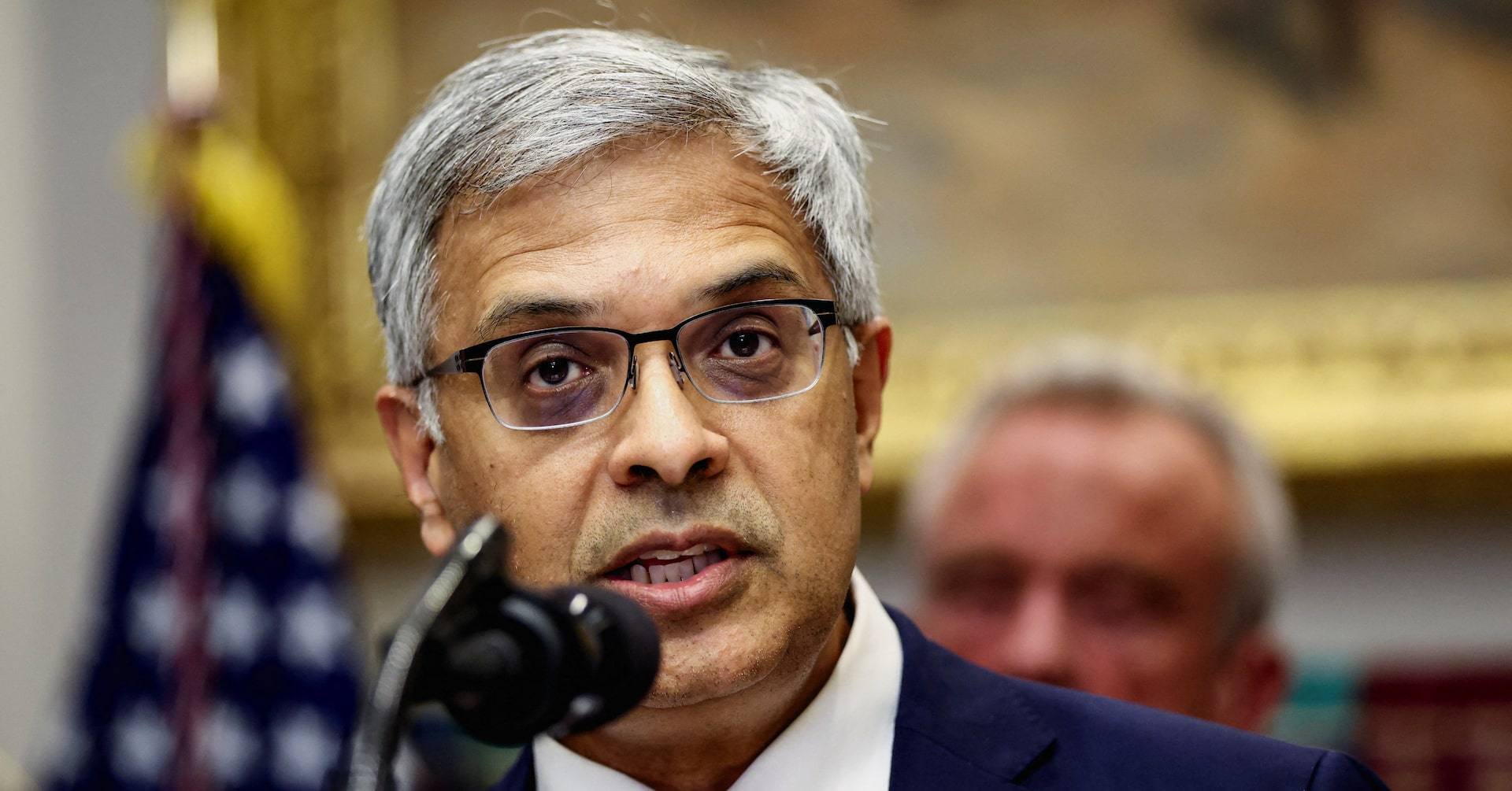
Jay Bhattacharya Appointed Acting Director of CDC Amid Leadership Changes
U.S. National Institutes of Health (NIH) Director Jay Bhattacharya will temporarily take the reins as acting director of the Centers for Disease Control and Prevention (CDC). This shift comes amid a broader restructuring within the Department of Health and Human Services (HHS) as the nation approaches midterm elections.
Jim O’Neill, the Deputy Secretary of HHS, has been serving as acting CDC director since August but will now relinquish his position as part of the leadership shakeup. O’Neill has been offered a new role as the Director of the National Science Foundation.
Bhattacharya, a Stanford University professor noted for his criticism of lockdowns and COVID-19 restrictions, already oversees the NIH, which manages a budget of nearly $50 billion and funds numerous scientific initiatives. In his dual role, he will also oversee the CDC, the key agency responsible for monitoring and responding to both domestic and international public health threats.
Critics have raised concerns about the feasibility of Bhattacharya managing both roles effectively. Dan Jernigan, former director of the CDC’s National Center for Emerging and Zoonotic Infectious Diseases, expressed skepticism about the demands of the two positions, highlighting potential risks to public health responses. Deb Houry, a former chief medical officer at the CDC, echoed these concerns, emphasizing the challenges posed by overseeing agencies located in different cities.
Instability at the CDC
The CDC has endured significant turmoil recently, characterized by budget reductions, staff cutbacks, and controversies surrounding public health policies under Secretary of HHS Robert F. Kennedy Jr. Kennedy has a history of opposing vaccination policies, which has led to accusations of promoting misinformation. The previous CDC director, Susan Monarez, was dismissed in August after resisting policy changes advocated by Kennedy, sparking the resignation of four senior officials, including Jernigan and Houry.
During O’Neill’s time at the CDC, notable changes were made, including the elimination of longstanding vaccine guidelines for children and the endorsement of a recommendation against the early use of a combined measles-mumps-rubella-varicella vaccine. These actions were part of a broader effort to reshape the advisory panel, which was restaffed with individuals who had publicly voiced opposition to vaccines.
Regulatory Timeline
Bhattacharya is permitted to serve as acting CDC director until late March unless a permanent nominee is confirmed by the U.S. Senate. Federal law mandates that a replacement must be nominated within 210 days of Monarez’s firing in late August. However, the nomination clock pauses during the Senate confirmation process.
HHS Restructuring
Kennedy announced additional changes within HHS, including appointing Chris Klomp as Chief Counselor tasked with overseeing departmental operations. Klomp currently serves in dual capacities as Deputy Administrator of the Centers for Medicare and Medicaid Services and Director of Medicare. Other senior counselor appointments were also made in various agencies, aimed at enhancing communication between HHS and the White House as the 2026 midterm elections approach.
The newly structured roles within HHS are part of a strategy to improve coordination on pressing issues such as healthcare costs and access to nutritious food, as outlined by a recent briefing involving White House officials and Republican campaign operatives.
