

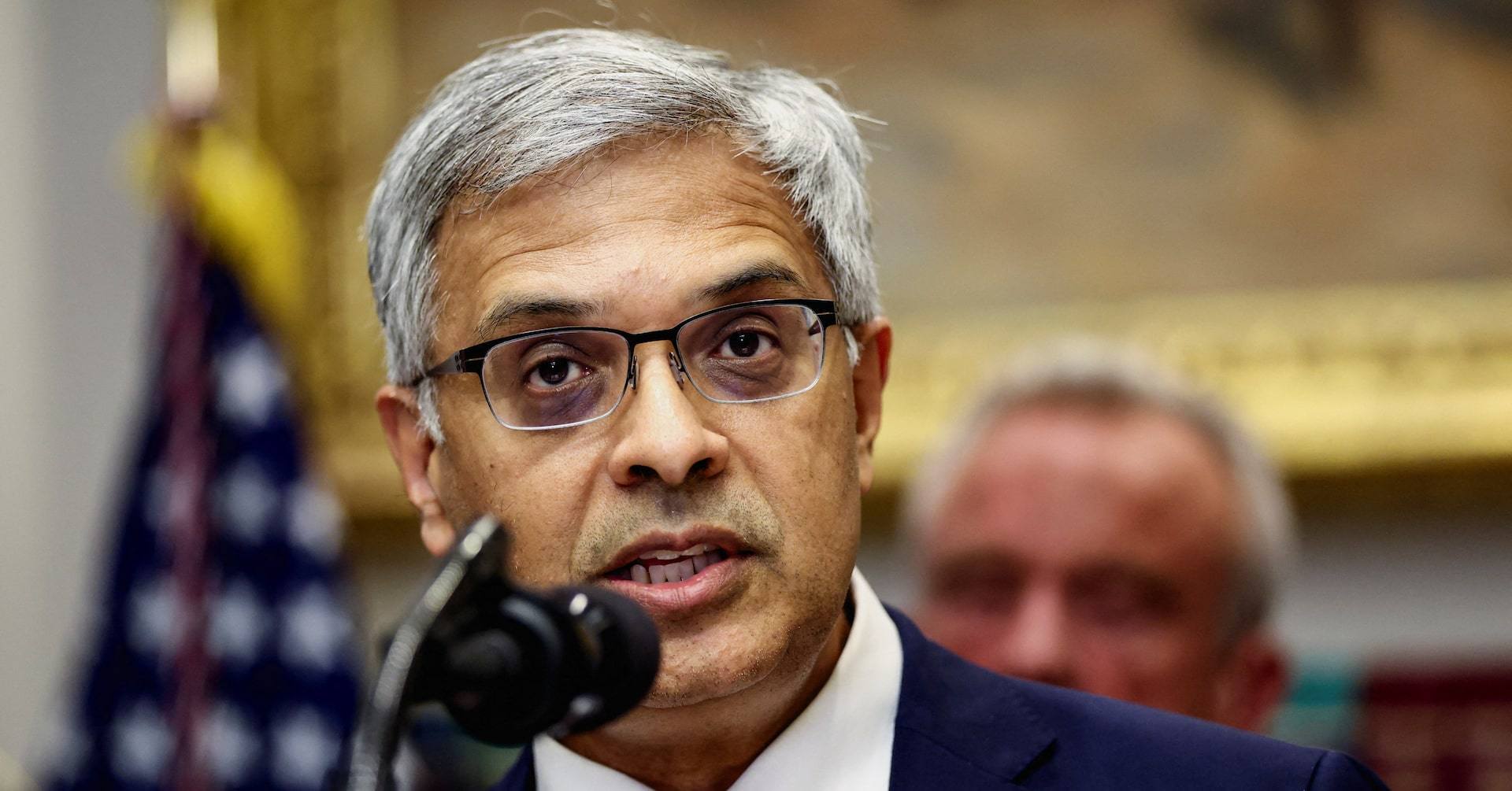
Jay Bhattacharya, Director of the U.S. National Institutes of Health (NIH), has been appointed as the acting director of the Centers for Disease Control and Prevention (CDC), according to a Trump administration official. This appointment is part of a larger restructuring within the Department of Health and Human Services (HHS) ahead of the upcoming midterm elections.
Jim O’Neill, the current acting CDC director since August, will step down as part of this leadership overhaul. O’Neill has been offered the position of director at the National Science Foundation.
Bhattacharya, a prominent professor at Stanford University known for his stance against lockdowns and COVID-19 restrictions, will now oversee both the NIH and the CDC. The NIH manages a budget of nearly $50 billion and supports thousands of scientific initiatives, while the CDC is responsible for monitoring and responding to public health threats.
Concerns have been raised about Bhattacharya’s ability to effectively manage both roles. Dan Jernigan, a former CDC official, expressed skepticism about the feasibility of the appointment, noting the demands of both agencies located in different cities. Deb Houry, another former CDC chief medical officer, stated that this dual role might compromise the nation’s readiness to address health emergencies.
The CDC has experienced significant turmoil recently, including staff reductions and budget cuts, exacerbated under HHS Secretary Robert F. Kennedy Jr., who is noted for his anti-vaccine stance. This instability has included the firing of former CDC Director Susan Monarez and subsequent resignations from senior officials who opposed new vaccine policies promoted by Kennedy.
Under O’Neill, controversial changes have been made, such as the removal of long-standing vaccine guidelines for children and revisions to vaccination policy that have drawn criticism from health experts.
According to federal law, Bhattacharya can serve as the acting CDC director until late March unless a permanent appointment is made. The law requires that a replacement be nominated within 210 days of Monarez’s dismissal, with the countdown still active despite the change in acting directors. The nomination process can pause the 210-day limit if undergoing Senate confirmation.
In addition to Bhattacharya’s appointment, Kennedy announced further changes within HHS aimed at enhancing communication ahead of the 2026 midterm elections, including the promotion of Chris Klomp to chief counselor responsible for overseeing departmental operations.
The administration’s strategic adjustments appear to focus on healthcare affordability and access to essential services as part of their midterm campaign strategy.
