

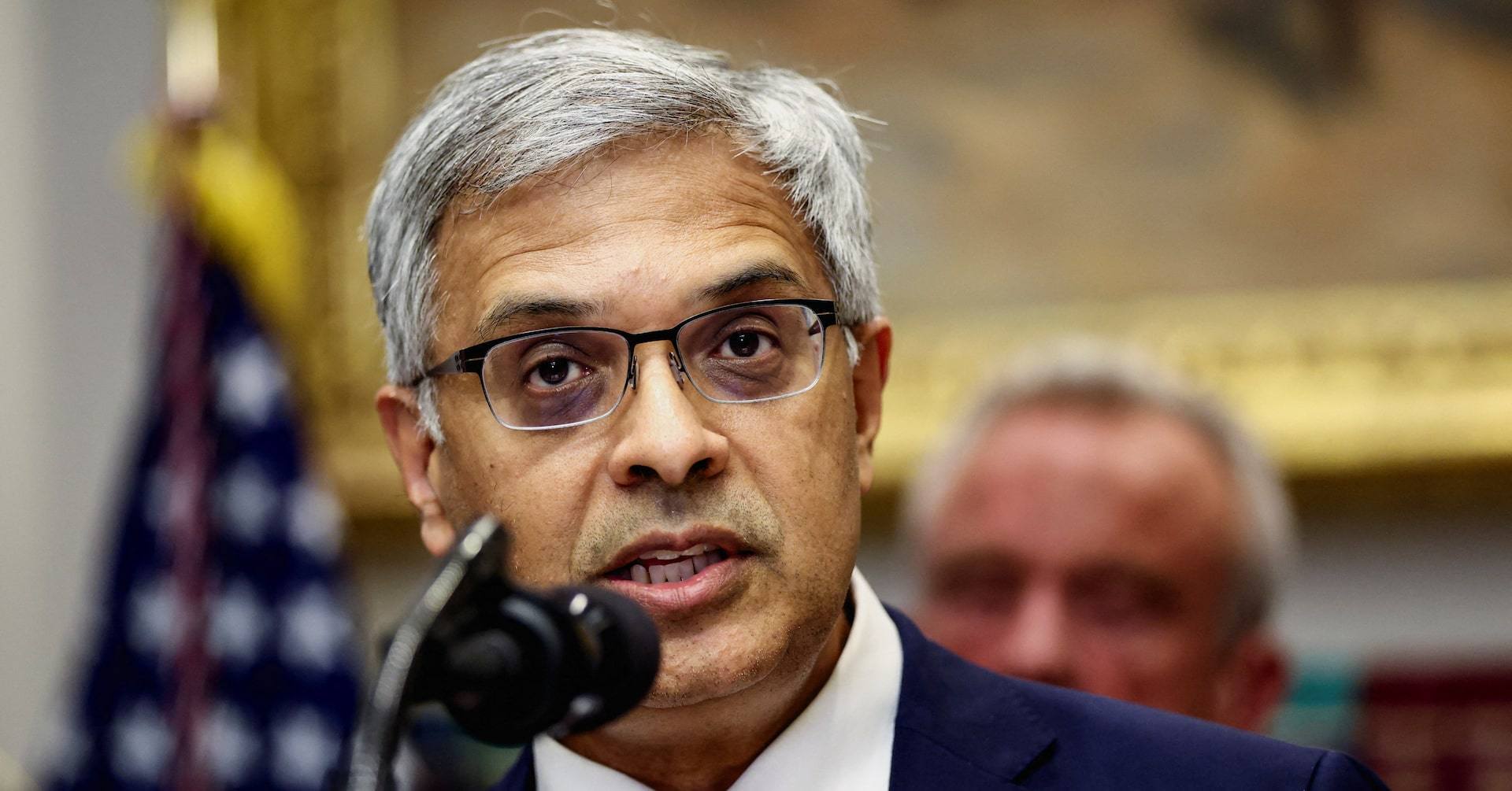
In a significant leadership shift within the U.S. Department of Health and Human Services, Jay Bhattacharya, the current director of the National Institutes of Health (NIH), is set to assume the role of acting director at the Centers for Disease Control and Prevention (CDC). This announcement was made on Wednesday and is expected to play a pivotal role as the department prepares for the upcoming midterm elections.
Jim O’Neill, the acting CDC director since August, will step down as part of this reorganization and is anticipated to transition to a new position as director of the National Science Foundation.
Bhattacharya, a professor at Stanford University known for his critical stance on COVID-19 lockdowns, will juggle the responsibilities of both the NIH and the CDC. The NIH operates on a budget of nearly $50 billion and oversees a vast array of scientific research projects. In contrast, the CDC, located in Atlanta, focuses on tracking and mitigating public health threats on both domestic and international fronts, with a substantial portion of its funding allocated to state and local health agencies.
Concerns have been raised regarding Bhattacharya’s ability to effectively manage both roles. Dan Jernigan, former director of the CDC’s National Center for Emerging and Zoonotic Infectious Diseases, questioned how a single individual could dedicate sufficient attention to two major federal agencies. Similarly, Deb Houry, a former chief medical officer at the CDC, expressed worries about the increased risk this leadership change could pose to national health responses.
The CDC has been facing internal turmoil, marked by significant budget cuts and staff reductions, particularly under Secretary of Health and Human Services Robert F. Kennedy Jr., a figure controversial for his anti-vaccine stance. O’Neill’s term also included the elimination of longstanding vaccine guidelines, which has sparked criticism and discontent among health professionals.
As per federal regulations, Bhattacharya can only serve as acting director until the end of March unless President Trump nominates a permanent director. The nomination process must occur within 210 days of Monarez’s termination, which took place in late August. However, this countdown can be paused if a nomination is pending in the Senate.
In addition to Bhattacharya’s new role, Kennedy announced several changes to his team aimed at enhancing communication between the Department of Health and Human Services and the White House ahead of the midterm elections. Key appointments include Chris Klomp as chief counselor and senior counselors for the FDA and CMS.
These organizational changes indicate a strategic push by the administration to address healthcare issues, particularly around insurance affordability and access to healthy food, which are expected to be focal points in the upcoming election campaign.
