

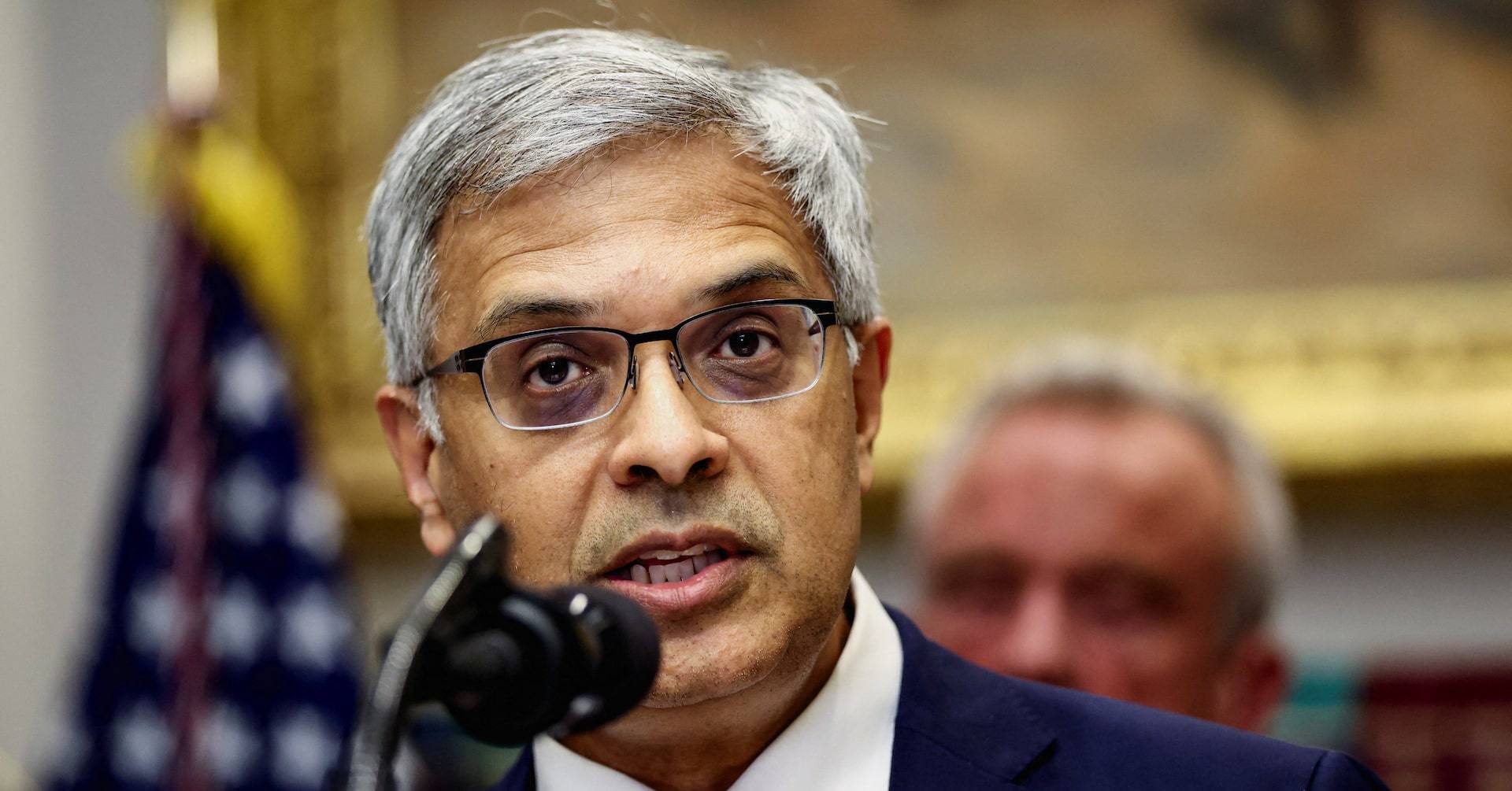
WASHINGTON, Feb 18 – Jay Bhattacharya, the Director of the U.S. National Institutes of Health (NIH), will temporarily assume the role of acting director at the Centers for Disease Control and Prevention (CDC) as part of a significant restructuring within the Department of Health and Human Services (HHS) ahead of the midterm elections.
Jim O’Neill, who has held the acting CDC director position since August, will depart from both his roles, with plans to be appointed as the new director of the National Science Foundation. Bhattacharya’s interim appointment is a notable change in leadership for the CDC, which has faced considerable challenges in recent months.
Bhattacharya, a Stanford University professor recognized for his critical stance on COVID-19 lockdowns and restrictions, currently oversees a $50 billion budget at the NIH, managing extensive scientific research initiatives. His new responsibilities will extend to leading the Atlanta-based CDC, which is pivotal in tracking and responding to public health threats both domestically and internationally.
Critics have voiced concern over the dual role, suggesting that managing both agencies, which are located in different cities, may dilute attention to urgent public health matters. Dan Jernigan, who resigned from his position at the CDC, and Deb Houry, former chief medical officer at the CDC, have expressed apprehension about the implications for national health response capabilities.
The CDC has encountered turmoil, including budget constraints and staff exits, exacerbated by the policies implemented under Secretary Robert F. Kennedy Jr., a figure known for anti-vaccine activism. The dismissal of former CDC director Susan Monarez in August—which resulted from her pushback against changes favored by Kennedy—led to a wave of resignations from senior CDC officials.
Moreover, O’Neill’s administration has seen controversial decisions, such as the removal of established vaccine guidelines and the alteration of advisory panel recommendations concerning vaccinations, which drew criticism for leaning toward narratives against vaccination.
Bhattacharya’s term as acting director is legally bounded, as he can only serve in this capacity until late March unless a permanent replacement is nominated and confirmed. Under federal law, a nomination must occur within 210 days of Monarez’s termination.
In conjunction with these changes, broader adjustments within HHS were announced, with Chris Klomp elevated to oversee department operations. These restructuring efforts aim to strengthen communication channels with the White House in preparation for the upcoming 2026 midterm elections.
