

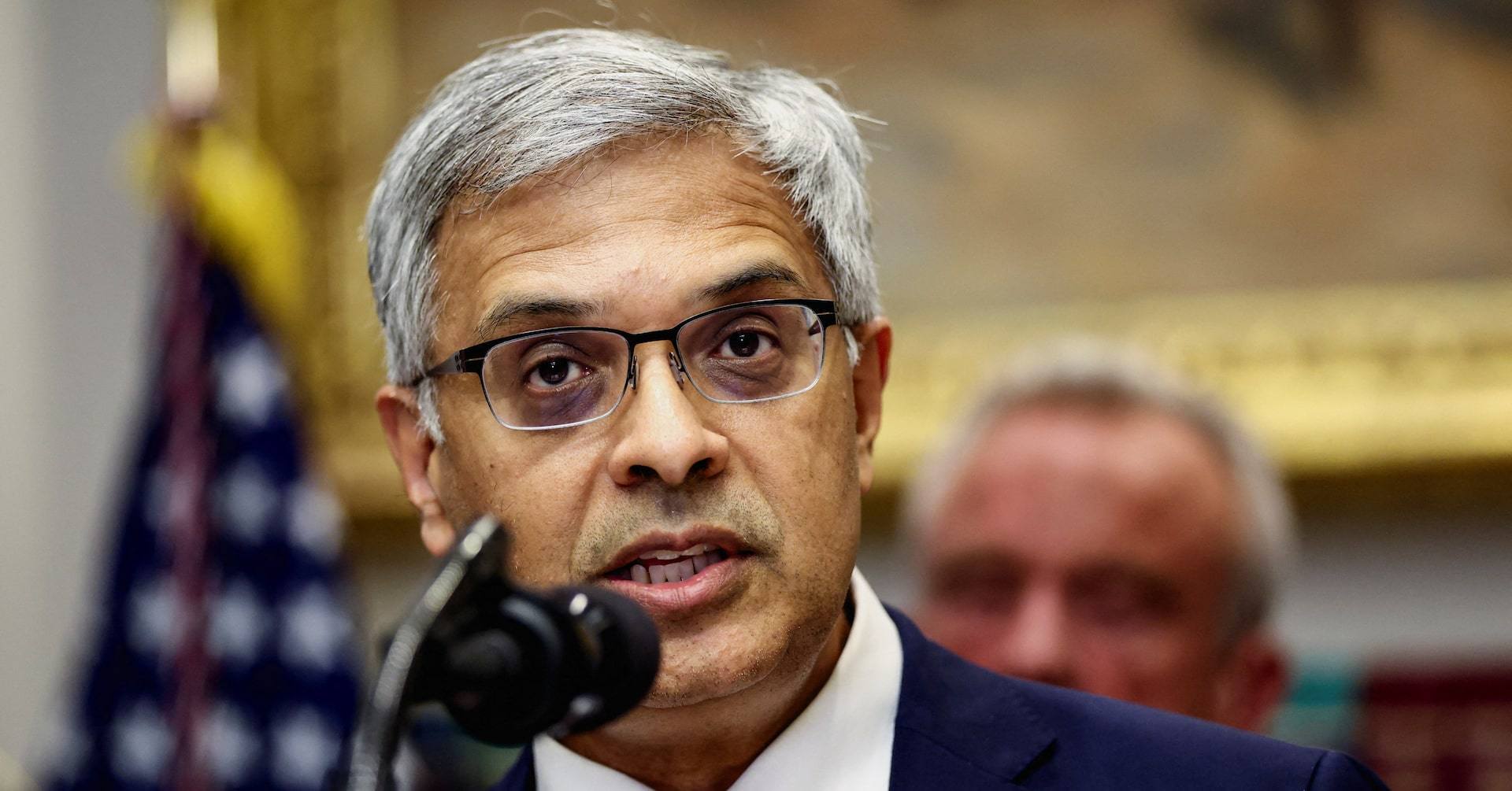
In a significant leadership change, Jay Bhattacharya, the Director of the National Institutes of Health (NIH), will assume the role of acting director at the Centers for Disease Control and Prevention (CDC). This transition is part of a broader restructuring within the Department of Health and Human Services (HHS) as midterm elections approach.
Effective immediately, Bhattacharya takes over from Jim O’Neill, who has been serving as the acting CDC director since August. O’Neill will vacate his position and is expected to be offered a new role as the director of the National Science Foundation.
Bhattacharya, a professor at Stanford University, is well-known for his opposition to lockdown measures and extensive COVID-19 restrictions. He is currently at the helm of the NIH, overseeing a budget of nearly $50 billion and directing thousands of scientific endeavors. By taking on the additional responsibility of leading the CDC, based in Atlanta, he will now manage operations that address both domestic and international public health threats.
However, this dual leadership role has sparked concerns among public health officials. Dan Jernigan, a former director of the CDC’s National Center for Emerging and Zoonotic Infectious Diseases, remarked on the challenges of managing two major federal agencies simultaneously. Deb Houry, the CDC’s former chief medical officer, echoed these sentiments, emphasizing the risks involved in not being able to adequately respond to health crises due to divided attention.
The CDC has been facing considerable turmoil, including budget cuts, staff reductions, and ongoing controversies linked to anti-vaccine policies promoted by Secretary of Health and Human Services Robert F. Kennedy Jr. The resignation of former CDC Director Susan Monarez, who was ousted after opposing vaccine policy changes, has exacerbated these issues, leading to the resignations of multiple senior officials.
Under O’Neill’s leadership, the CDC made significant changes, including the removal of longstanding vaccine recommendations for children and the approval of new advisory panel guidelines deemed controversial by many health professionals.
According to federal law, Bhattacharya can serve as acting CDC director until late March unless a permanent nominee is put forth by President Trump. The law mandates that a replacement is nominated within 210 days of Monarez’s departure, allowing the acting director to stay in place while the Senate confirmation process unfolds if a nomination is pending.
Additionally, Kennedy has initiated further changes within HHS, appointing Chris Klomp as chief counselor, tasked with streamlining department operations. These appointments are viewed as strategic moves to enhance communication between HHS and the White House ahead of the upcoming 2026 midterm elections.
As the administration prepares for the critical election year, healthcare issues such as insurance costs and prescription drug affordability are expected to be focal points in Republican campaign strategies.
