

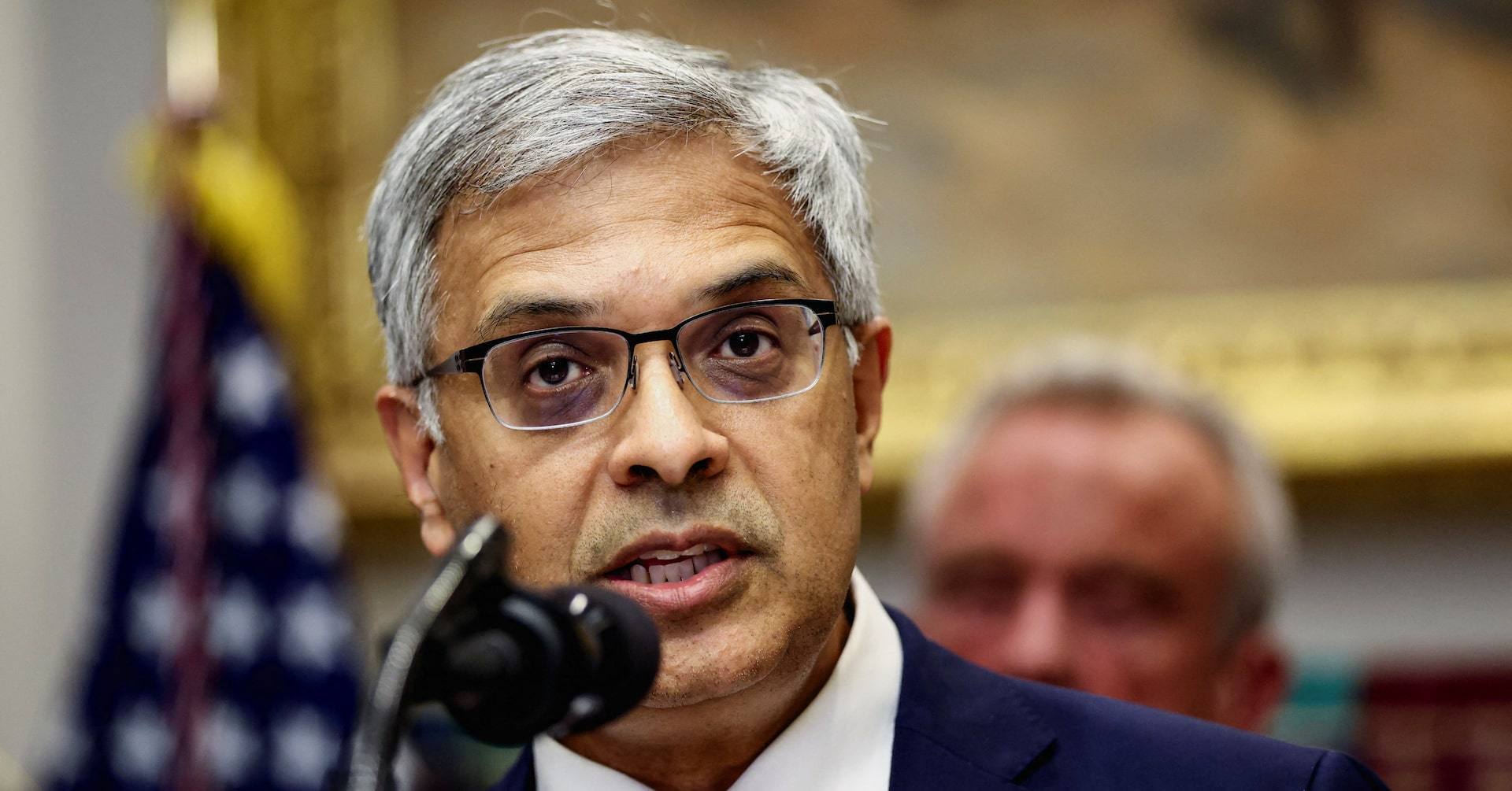
In a significant shakeup within the U.S. Department of Health and Human Services, Jay Bhattacharya, the current Director of the National Institutes of Health (NIH), has been appointed as the acting director of the Centers for Disease Control and Prevention (CDC). This decision follows the departure of Jim O’Neill, who has held the acting director position at the CDC since August.
O’Neill is set to transition to a role as the director of the National Science Foundation. The announcement was made on Wednesday by a Trump administration official, marking a pivotal moment as the health department prepares for the upcoming midterm elections.
Bhattacharya, a professor at Stanford University and a vocal critic of COVID-19 lockdown measures and restrictions, will now oversee both the NIH, which has an annual budget of nearly $50 billion, and the Atlanta-based CDC, which plays a crucial role in tracking and responding to public health threats.
Commenting on the dual role, former CDC officials have expressed concern regarding the feasibility of Bhattacharya managing both agencies effectively. Dan Jernigan, who resigned from the CDC’s National Center for Emerging and Zoonotic Infectious Diseases in August, remarked, “The notion that the current director of the NIH can take on the mantle of another federal agency in his spare time is hard to understand.” Adding further concern, Deb Houry, former chief medical officer at the CDC, stated, “This puts our nation at greater risk for not being able to respond to health threats and outbreaks.”
The CDC has recently faced instability, characterized by budget cuts, staff reductions, and conflict arising from policy changes instituted under Secretary of Health and Human Services Robert F. Kennedy Jr., a prominent anti-vaccine advocate. The leadership turmoil reached a climax in August when Susan Monarez was dismissed from her position after resisting proposed changes to vaccination policies. Her firing led to the resignations of four senior officials, amplifying concerns regarding the agency’s direction.
During O’Neill’s oversight, the CDC made significant changes, including the elimination of longstanding vaccine guidelines and adjustments to vaccination recommendations, changes that faced criticism for being influenced by Kennedy’s anti-vaccine stance, including replacing advisory panel members with those aligned with his views.
According to federal law, Bhattacharya’s tenure as acting CDC director can extend only until late March unless President Trump nominates a full-time replacement, required within 210 days of Monarez’s firing. However, the countdown will stop if there is an ongoing nomination process in the Senate.
Following the announced changes, Health and Human Services are expected to further develop the leadership structure with new appointments aimed at enhancing communication with the White House as the administration gears up for the 2026 midterm elections. This strategy comes alongside a focus on healthcare issues, including insurance costs and prescription drug affordability.
